Limewash Color Palettes: How to Choose Mineral Tones for Every Space

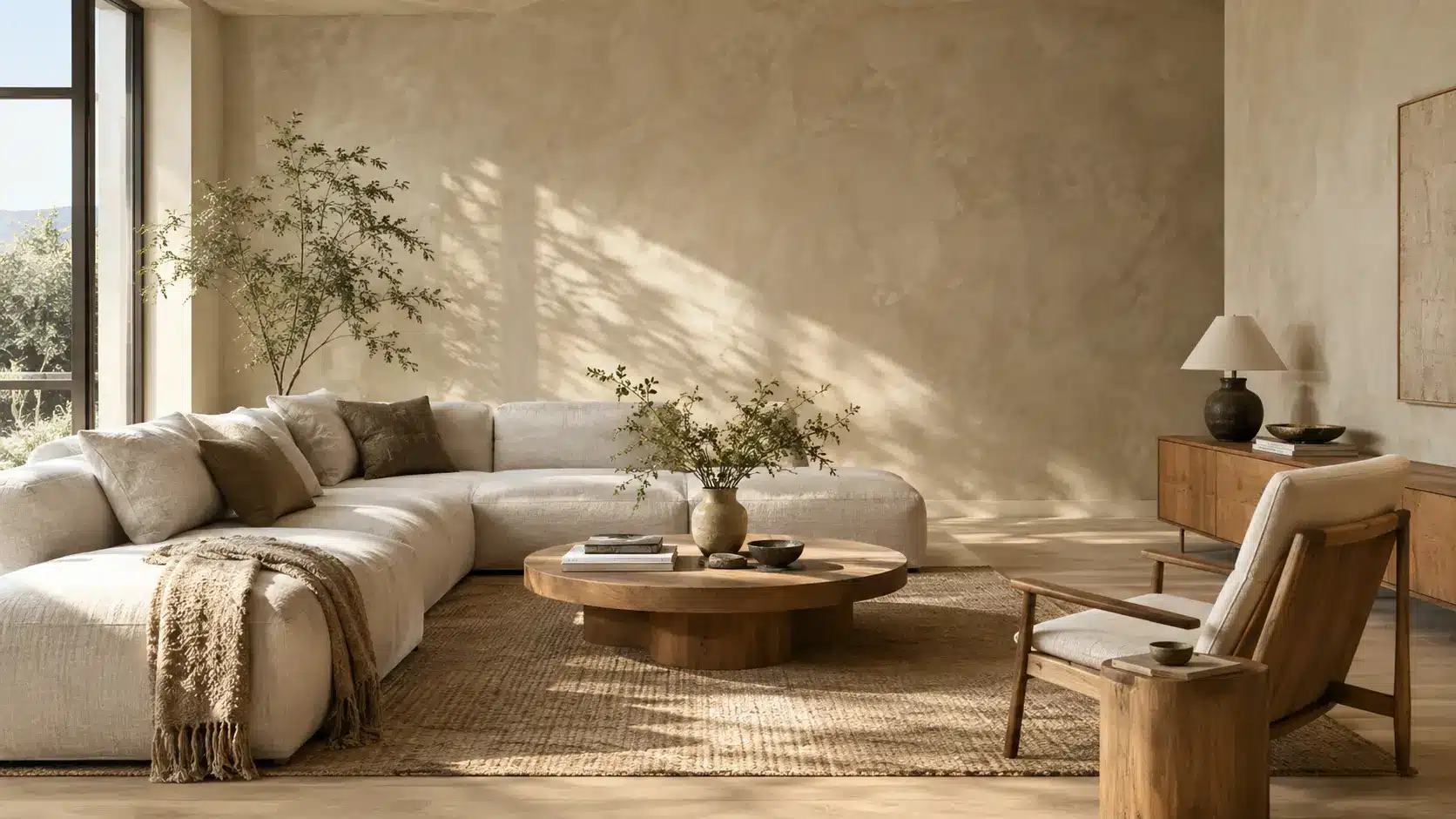
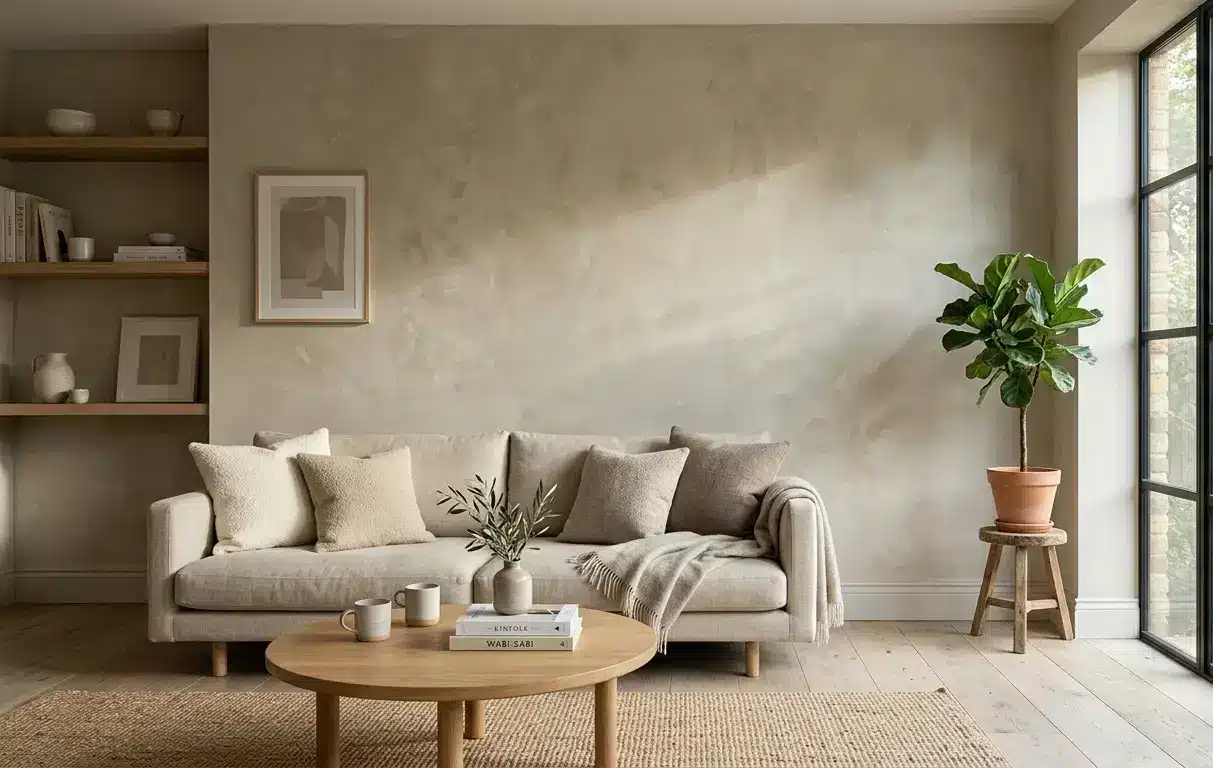
Soft warm neutral limewash paint wall in a modern organic living room with natural light

Because limewash cures into a mineral rich calcium carbonate surface, ambient light is diffusely reflected and scattered across the wall rather than producing the uniform glare of a synthetic paint film. This structural difference creates a soft, shifting depth that transforms as natural daylight changes throughout the day. Understanding Limewash Colors: How Minerals & Light … Read more

Limewash vs Tadelakt vs. Venetian Plaster: Finding the Right Lime Finish for Your Space

Side-by-side comparison of three lime wall finishes: soft matte limewash, organic low-gloss Tadelakt, and highly polished Venetian plaster sample boards

Lime based wall finishes offer distinct textures and mineral character for interior and exterior spaces. While traditional Limewash, Tadelakt, and Venetian Plaster are lime based finishes, their formulations, application methods, and moisture handling properties vary significantly. At a Glance: Key Differences Feature Limewash Paint Tadelakt Plaster Venetian Plaster Visual Finish Soft, matte, subtle mottled shading … Read more

Why Do Grow Lights Dim Over Time? LED Heat, Thermal Derating, and L70

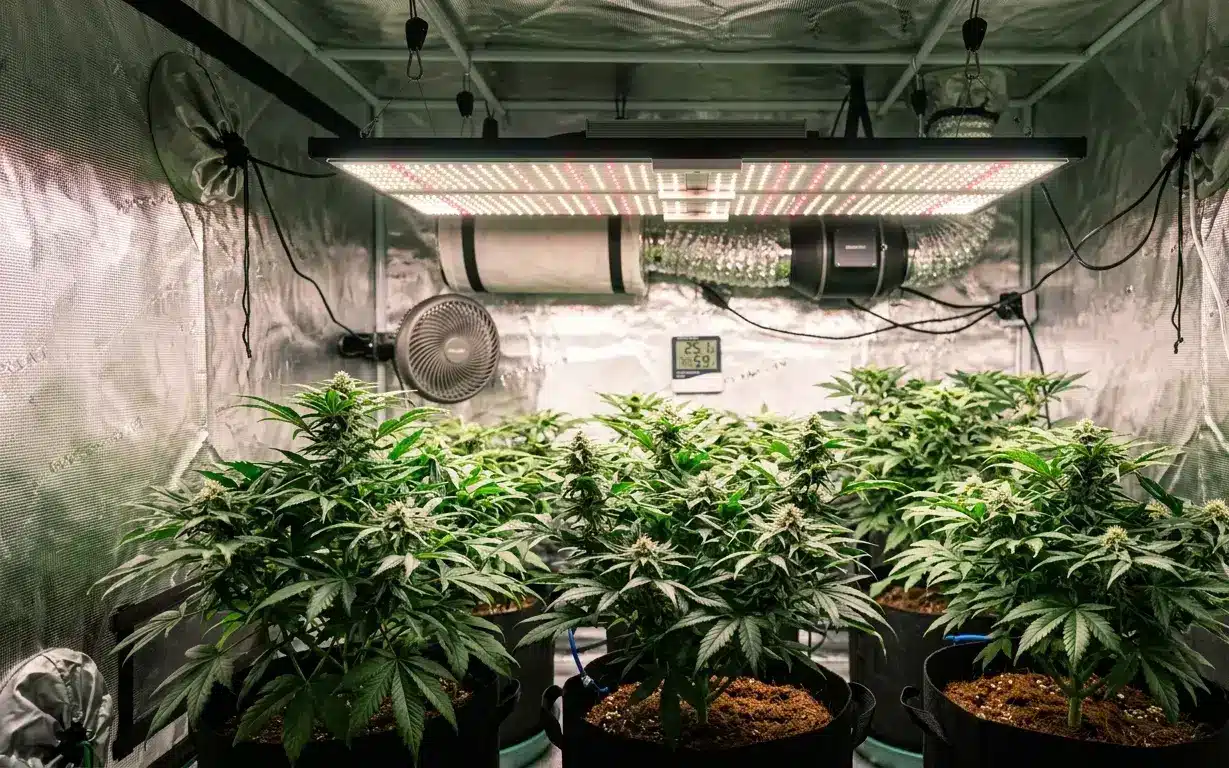
High tech broad spectrum LED grow light panel illuminating green plant canopy inside an indoor grow tent

Grow lights lose output for two distinct reasons: temporary performance drops during daily operation and permanent hardware aging over years of use. When an LED grow light powers on, heat accumulates within the semiconductor diodes. This heat temporarily reduces conversion efficiency and can trigger the power driver to automatically reduce current to protect internal electronics. … Read more

Houseplant Watering Guide: Preventing Root Rot in Low Light Environments

Houseplant potted in an unglazed terracotta pot with aerated soil mix containing perlite and bark

Preventing root rot is rarely a matter of giving plants tiny, timid sips of water. In low light environments, potting mix holds moisture far longer than usual, creating stagnant, low oxygen conditions that encourage root decay. Successful care relies on understanding the physiological link between light intensity and transpiration, extending the time between thorough waterings, … Read more

Indoor Grow Light Guide: PPFD, DLI, Spectrum, and Light Placement

Evaluating indoor grow lights by wattage or lumens is one of the most common mistakes in indoor gardening. Lumens measure brightness based on human visual sensitivity—which peaks in the green waveband around 555 nanometers—while plants primarily utilize photons across the Photosynthetically Active Radiation (PAR) spectrum (400–700 nm) to drive photosynthesis. Designing an effective setup requires … Read more

No Sun, No Problem: Understanding Low-Light Indoor Blooming

Even in homes with minimal natural sunlight—such as north-facing apartments, basement living spaces, or interior rooms far from windows—you can achieve year-round indoor blooms with proper light management and species selection. In horticulture, “low light” does not mean a pitch-black room; there is a distinct physiological boundary between the light required for mere survival and … Read more